Minimalist Living: Transforming Chaos Into Calm at Home
More than one third of American adults feel weighed down by too much clutter at home. It is easy to see why so many are looking for ways to create simpler, more meaningful spaces. Minimalist living promises relief, but the common myths often leave people confused or even discouraged. Understanding what minimalism truly means—and how it can work for your individual style—opens the door to a home that feels peaceful, inviting, and uniquely yours.
Table of Contents
- Minimalist Living Defined And Common Myths
- Types Of Minimalism For Modern Homes
- Core Principles: Decluttering And Intentionality
- Evaluating Needs Versus Wants Strategically
- Common Pitfalls And How To Avoid Them
Key Takeaways
| Point | Details |
|---|---|
| Minimalism is Intentional Living | It’s about curating your possessions and space with purpose, focusing on what adds genuine value to your life. |
| Myths versus Reality | Minimalism is not about deprivation; it’s about mindful consumption that enhances personal growth and well-being. |
| Personalized Design Approaches | Different minimalist styles can reflect your philosophy, emphasizing the creation of work and living spaces that are both functional and inviting. |
| Ongoing Journey | Embrace minimalism as a personal journey, allowing yourself time to reflect and adjust as you learn what creates authenticity and peace in your life. |
Minimalist Living Defined and Common Myths
Minimalism is not about creating empty, sterile spaces or getting rid of everything you own. It’s a thoughtful approach to living with intention and purpose. Minimalism represents a deliberate paradigm shift towards a more meaningful lifestyle that prioritizes quality over quantity.
Many people mistakenly believe minimalism means owning almost nothing or living in a stark, cold environment. The reality is far more nuanced. Minimalism is about curating your personal space and possessions to reflect what truly matters to you. It’s a personal journey of understanding your values and creating space for experiences and relationships that bring genuine joy.
Common Myths About Minimalism
- Myth: Minimalism means getting rid of everything
- Reality: It’s about keeping items that add value and purpose to your life
- Myth: Minimalist homes look bland and uncomfortable
- Reality: Minimalist spaces can be warm, inviting, and deeply personal
Living with purpose through minimalism isn’t about deprivation. It’s a strategic approach to consuming less and experiencing more. By removing unnecessary clutter, you create mental and physical space for what truly matters: meaningful connections, personal growth, and experiences that enrich your life.
Types of Minimalism for Modern Homes
Minimalist design is not a one-size-fits-all approach. Different minimalist home styles offer unique aesthetic and functional perspectives that can transform living spaces into intentional, elegant environments. Understanding these variations helps homeowners craft spaces that reflect their personal philosophy and lifestyle needs.
Popular Minimalist Home Design Styles
- Scandinavian Minimalism: Characterized by light wood furniture, neutral color palettes, and functional spaces that emphasize natural light and clean lines
- Japanese Minimalism (Ma): Focuses on negative space, simplicity, and creating harmony between objects
- Industrial Minimalist: Combines raw materials like exposed brick and concrete with sleek, functional furniture
Industrial Minimalist Houses represent a particularly striking interpretation of minimalist design. These spaces blend raw, unfinished materials with purposeful furniture, creating environments that are simultaneously rugged and refined. The key is strategic design that celebrates simplicity while maintaining warmth and personality.
Choosing a minimalist style isn’t about following strict rules. It’s about understanding how design can support your lifestyle, reduce visual noise, and create spaces that feel both calm and personal. Whether you’re drawn to the warm neutrals of Scandinavian design or the stark elegance of industrial minimalism, the goal remains the same: creating a home that breathes with intention and clarity.
Core Principles: Decluttering and Intentionality
Intentional living is the heartbeat of minimalism. Minimalism involves deliberate choices to reduce possessions and focus on what truly adds value to your life. This isn’t about creating empty spaces, but about making room for what matters most.
Key Strategies for Intentional Decluttering
- Evaluate each item’s genuine purpose and emotional significance
- Ask yourself: “Does this object support my current life goals?”
- Remove items that no longer serve you or bring joy
- Create space for experiences instead of accumulating things
Minimalist living allows individuals to focus on meaningful experiences and relationships by consciously reducing material possessions. This process isn’t about deprivation, but about creating mental and physical space for personal growth. When you remove the excess, you create room for what truly enriches your life – connections, passions, and personal development.
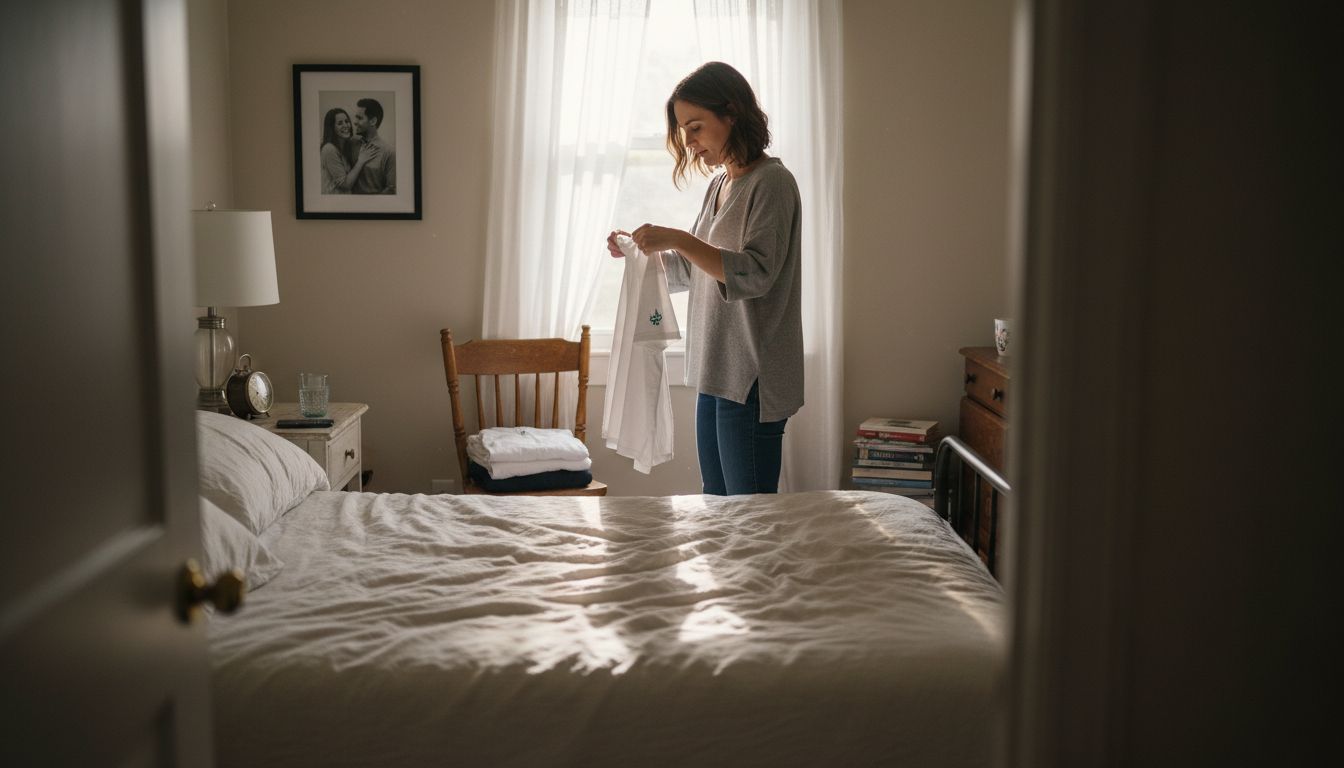
Decluttering is a deeply personal journey. It’s not about following rigid rules, but about understanding your unique relationship with your possessions. Start small, be patient with yourself, and remember that minimalism is a practice, not a destination. Your goal is to create a living environment that feels peaceful, intentional, and authentically yours.
Evaluating Needs Versus Wants Strategically
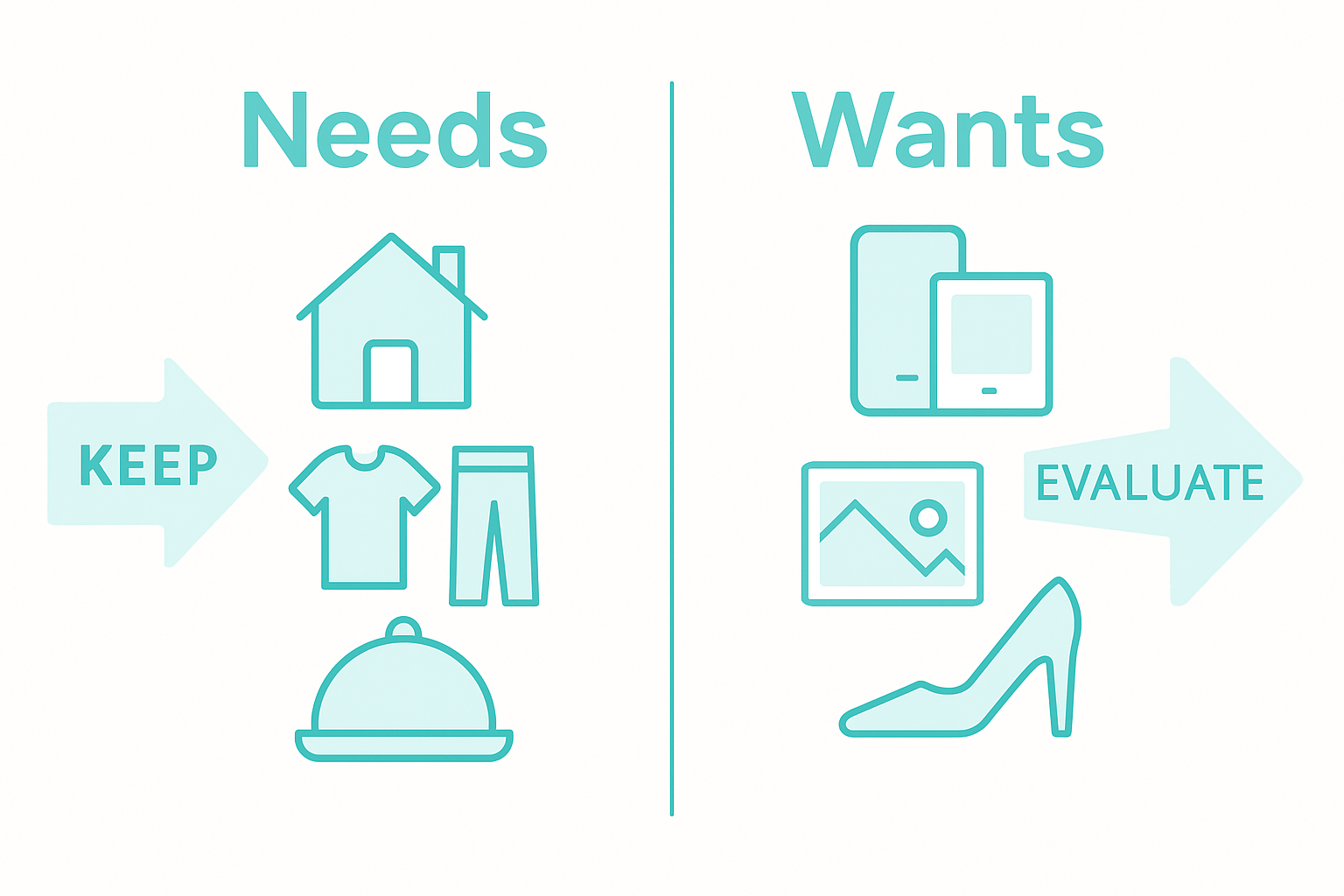
Consumption consciousness is about making intentional choices that align with your core values and lifestyle. Strategic assessment of needs versus wants can transform your approach to personal possessions, helping you create a more meaningful and purposeful living environment.
Key Decision-Making Framework
- Pause before purchasing anything new
- Ask: “Will this item genuinely improve my life?”
- Consider the item’s long-term utility and emotional value
- Reflect on whether the purchase supports your current goals
Minimalism encourages more sustainable consumption patterns that directly impact emotional well-being. This isn’t about deprivation, but about understanding the difference between impulse and intention. Every item you bring into your life should serve a clear purpose – either functional, emotional, or both.
Think of your possessions like a carefully curated collection. Each piece should earn its place in your life, not just occupy space. Start by critically examining your current belongings and future purchases through a lens of genuine necessity and meaningful contribution. Your home is not a storage unit – it’s a reflection of your values, dreams, and most authentic self.
Common Pitfalls and How to Avoid Them
Minimalism is a journey, not a destination, and navigating its path requires awareness and intentionality. Common misconceptions about minimalism can derail your progress and create unnecessary stress, making it crucial to understand potential challenges before they become roadblocks.
Minimalism Myth-Busting Strategies
- Myth: Minimalism means getting rid of everything
- Reality: It’s about keeping what truly matters
- Myth: Minimalist spaces must look stark and cold
- Reality: Your space can be warm, personal, and intentional
- Myth: You can never buy anything new
- Reality: Mindful purchasing is the goal, not total deprivation
Overcoming societal pressures and personal misconceptions is key to a fulfilling minimalist lifestyle. Many people struggle with the emotional attachment to possessions or the fear of missing out on potential future uses. The secret is developing a mindset of abundance through intentionality, not scarcity through restriction.
Remember, minimalism is deeply personal. What works for someone else might not work for you. Be patient with yourself, celebrate small victories, and understand that creating a meaningful living space is an ongoing process. Your goal isn’t perfection, but progress toward a life that feels more authentic and aligned with your true values.
Transform Your Home Into a Calm, Intentional Space
Struggling to turn the chaos of possessions into a peaceful living environment is a challenge many face. This article highlights how intentional living and strategic decluttering can help you focus on what truly adds value and joy to your life. If you are ready to embrace minimalism not as deprivation but as a way to reclaim calm, you are on the right path.
Explore practical tools and ideas tailored to your journey with the Minimalism Archives | Simple Neat Home. Discover how to thoughtfully remove clutter and design spaces that reflect your authentic self. Start transforming your home today and create the intentional, serene space you deserve.
Frequently Asked Questions
What is minimalist living?
Minimalist living is a thoughtful approach to life that prioritizes intention and purpose over material possessions. It involves curating your space to reflect what truly matters to you, focusing on quality rather than quantity.
Is minimalism about getting rid of everything?
No, minimalism is not about eliminating all your belongings. It’s about keeping items that add genuine value and purpose to your life while removing unnecessary clutter.
How can I start decluttering my home?
Begin by evaluating each item’s purpose and emotional significance. Ask yourself if it supports your current life goals and remove items that no longer bring you joy. Start small and be patient with yourself.
What are the core principles of minimalist living?
The core principles of minimalist living include intentionality, consumption consciousness, and strategic decluttering. It emphasizes making mindful choices about what to keep and bring into your life to create a meaningful living environment.
Recommended
- Understanding the Meaning of Calm Home for Peaceful Living | Simple Neat Home
- Understanding the Advantages of Minimalism at Home | Simple Neat Home
- What is Minimalist Living? Understand Its Essence | Simple Neat Home
- Understanding Ways to Reduce Household Clutter Effectively | Simple Neat Home
- Understanding Eco Friendly Routines for Modern Families – The Zoofamily
- 7 Smart Living Room Design Inspiration Ideas for All Spaces – Projector Display