A Beginner’s Guide to Secondhand Shopping Like a Pro
Walking into a crowded closet or a cluttered living room can make everyday life feel overwhelming, especially for the average American family trying to balance comfort with affordability. The search for real solutions often leads to secondhand shopping, where every purchase matters for both your budget and the planet. Discover how defining your shopping goals and choosing reliable sources can turn secondhand finds into thoughtful additions that help you live simply and sustainably.
Table of Contents
- Step 1: Define Your Secondhand Shopping Goals
- Step 2: Research Reliable Local And Online Sources
- Step 3: Evaluate Item Condition Before Purchasing
- Step 4: Confirm Authenticity And Value Of Finds
- Step 5: Organize Purchases To Enhance Your Home
Quick Summary
| Key Takeaway | Explanation |
|---|---|
| 1. Define your shopping goals | Clearly outline what you need to prevent impulse buys and stay focused while shopping. |
| 2. Research sources carefully | Explore local thrift stores and trustworthy online platforms to find items aligned with your values. |
| 3. Evaluate item quality thoroughly | Inspect items for damage and functionality to ensure they will serve you well over time. |
| 4. Verify authenticity and market value | Check for authenticity and fair pricing to avoid scams and ensure a good deal. |
| 5. Organize purchases thoughtfully | Create organized spaces for your finds to enhance your home and maintain peace and functionality. |
Step 1: Define your secondhand shopping goals
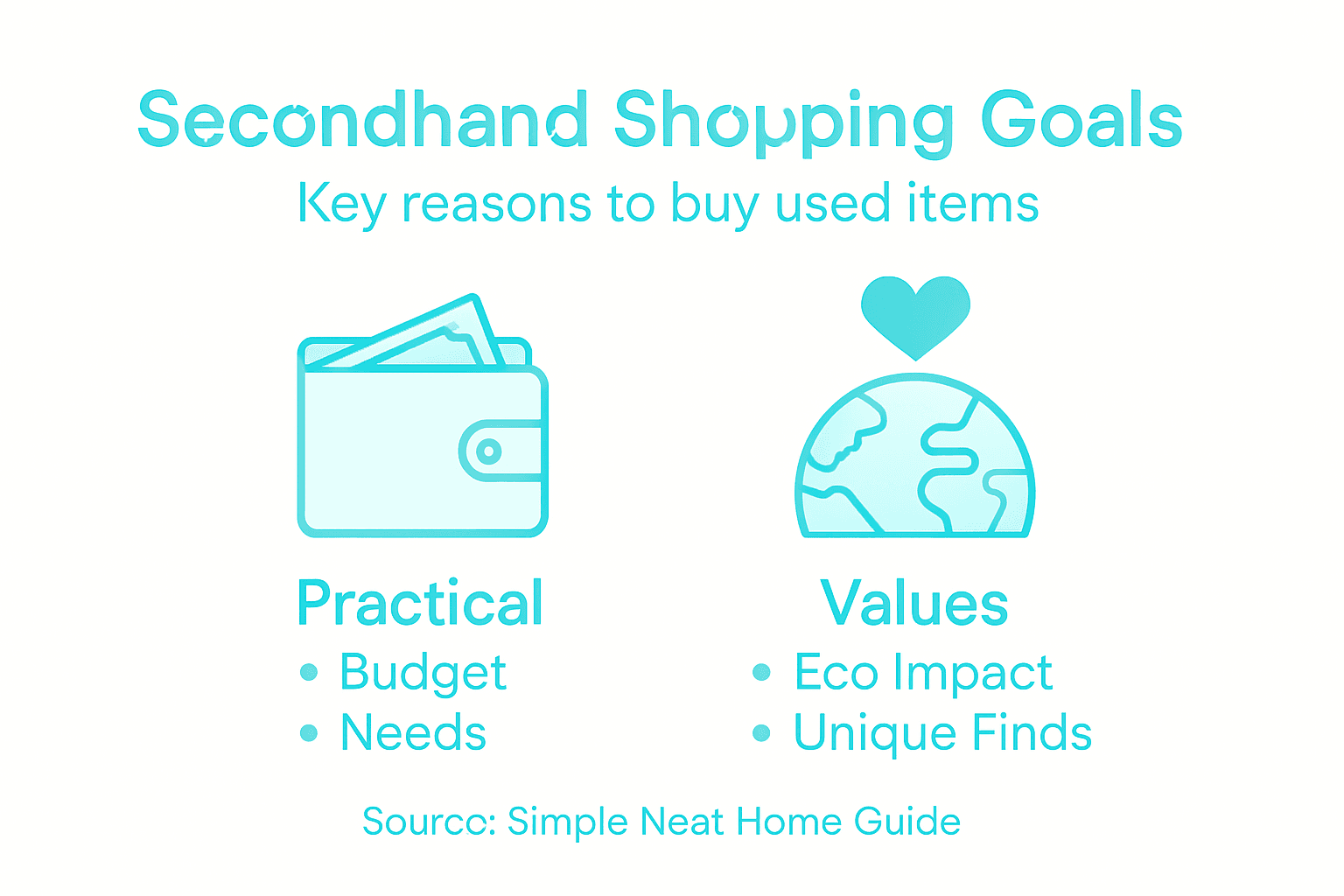
Before you step foot into a thrift store or scroll through an online marketplace, you need to know what you’re actually looking for. Without clear goals, you’ll end up wandering aimlessly, buying things you don’t need, and completely missing the whole point of secondhand shopping. This step is about getting intentional so you can shop smarter, save money, and stick to what matters to you.
Start by asking yourself some honest questions. Are you hunting for specific items your family needs right now, or are you trying to build a more sustainable wardrobe? Maybe you’re looking to furnish a new apartment on a tight budget, or you want to find unique pieces that reflect your personal style. Your “why” shapes everything else. Someone shopping for a complete bedroom set has a very different mission than someone hunting for vintage band tees. When you understand your purpose, you’re less likely to get distracted by deals that don’t serve you.
Here’s where it gets practical. Make a list of what you actually need. This could be as simple as “winter coats, work pants, and kitchen utensils” or as specific as “a solid oak dining table that seats six.” Write it down. Seriously. Having it written out keeps you accountable and prevents impulse buys. You can also expand beyond clothing and consider home goods, electronics, and furniture since secondhand options work wonderfully for these categories too. The key is knowing your boundaries before you shop, which helps you make choices aligned with your budget and your family’s actual needs.
Think about your budget too. How much are you willing to spend on secondhand items this month? Setting a number ahead of time keeps you grounded. Secondhand shopping can feel like you’re getting steals, but those “small” purchases add up fast. When you know your limit, you can prioritize quality over quantity and feel good about every purchase instead of overspending and feeling guilty later.
Also consider your values. Are you shopping secondhand mainly to save money, to reduce environmental impact, or to find unique items? Understanding what drives you helps you make authentic choices. Buying secondhand is a conscious choice that helps save money and supports sustainability efforts, so getting clear on which benefits matter most to you will keep you motivated even when the perfect find isn’t there on a particular day.
Pro tip: Create a simple note on your phone with your shopping list and budget so you can reference it immediately when you’re in a store or scrolling online, keeping yourself from the “just one more thing” trap that drains both your wallet and your newly organized space.
Step 2: Research reliable local and online sources
Now that you know what you’re looking for, it’s time to figure out where to find it. The secondhand shopping landscape has exploded with options, and not all sources are created equal. You’ll want to find places that match your style, budget, and values so you can shop with confidence and actually find what you need.
Start with what’s right in your neighborhood. Local thrift stores, consignment shops, and community resale centers have real advantages that online shopping simply can’t match. You can see items in person, check for damage or wear, and feel the quality before you commit your money. There’s also something satisfying about supporting your local community and small businesses instead of feeding algorithms. Walk around your area and check out a few different shops. You might be surprised what you discover. Some thrift stores specialize in specific categories like furniture or books, so knowing what each one carries helps you spend your time wisely. Plus, browsing in person feels good and creates that thrill of the hunt that keeps so many of us coming back.
Online platforms have changed the game though. They’ve made secondhand shopping accessible from your couch and expanded what’s available far beyond what any single local store could offer. The trick is knowing which platforms are trustworthy. Buying secondhand online requires researching platforms’ reputations and verifying seller reliability to ensure you’re not getting scammed or receiving junk. Look for sites that have strong seller ratings, buyer protection policies, and clear return options. Read reviews from other shoppers before you buy. Check if the platform has a way to report problems or dispute transactions. Reputable online marketplaces will have these safeguards in place because they want repeat customers too.
Different platforms serve different purposes, so do some homework. Some specialize in clothing, others focus on books or electronics, and some are general marketplaces where you’ll find everything from kitchen gadgets to vintage furniture. Spend time exploring a few options to see which ones have the best selection for what you’re hunting. Pay attention to shipping costs too, since that can add up quickly and eat into your savings. Some platforms offer free shipping over a certain amount, while others charge per item. Reading the fine print matters more than you’d think.
Also think about your comfort level with different buying methods. Are you comfortable with buying from individual sellers, or do you prefer platforms that have some quality control? Do you want to message back and forth with sellers, or would you rather a streamlined, automated checkout experience? Your preferences are valid. Some people love the negotiation and personal connection of individual sales, while others prefer the simplicity of knowing exactly what they’re getting from a verified business account. There’s no wrong answer here, only what works for you.
One more thing to consider is whether you want local, national, or international options. Neighborhood thrift stores and online resale platforms provide accessible sources for secondhand shopping, and each has its perks. Local shopping means faster delivery and the chance to inspect items, while national and international platforms give you access to rare finds and specialized items you might never discover locally. Many people end up using a combination of both local and online sources depending on what they’re shopping for.
Below is a comparison of local versus online secondhand shopping sources:
| Aspect | Local Stores | Online Platforms |
|---|---|---|
| Item Inspection | See and touch items directly | Rely on photos and descriptions |
| Community Impact | Supports local businesses | Supports large or remote sellers |
| Selection | Limited, unique to location | Vast, global inventory |
| Convenience | Requires in-person visits | Shop anytime from anywhere |
| Negotiation | In-person haggling possible | Often set or automated pricing |
Pro tip: Bookmark your top three to five reliable sources and check them regularly, setting aside just 15 minutes a week to browse for your specific needs rather than aimlessly scrolling, which saves time and keeps you focused on actual purchases instead of window shopping.
Step 3: Evaluate item condition before purchasing
This is where your secondhand shopping success actually happens. You can have the perfect goals and find the best sources, but if you don’t know how to spot quality and safety issues, you’ll end up with items that don’t work or fall apart in weeks. Learning to evaluate condition takes practice, but it’s absolutely worth the time investment.
Start with the basics. Look at the item carefully and ask yourself what you’re seeing. Are there visible cracks, dents, or stains that bother you? Do all the zippers work smoothly, or are buttons missing? Run your hands over surfaces and open drawers or doors to make sure they move without sticking. For clothing, check seams for fraying and look for holes or permanent stains. For furniture, sit on it if you can. Does it wobble? Does it feel sturdy? These physical observations matter because they tell you whether an item will actually serve you well or become clutter within a few months.
When it comes to anything with moving parts or electrical components, take extra care. When buying secondhand products, carefully inspect for cracks, loose components, or signs of repair to catch potential problems before you buy. Test electronics if you can. Do they turn on? Do they function as they should? Ask the seller about the item’s history. How long did they own it? What condition was it in when they bought it? Has it been repaired? Storage matters too. Something that lived in a damp basement might have hidden mold or moisture damage. An item stored in an attic could have been exposed to extreme temperatures that affect its performance. Don’t be shy about asking detailed questions. Good sellers expect them and won’t mind answering.
Safety is non-negotiable. Confirm items meet safety certifications and avoid those with recalls, especially for items like car seats, cribs, helmets, or appliances. A deal doesn’t matter if it puts your family at risk. Take five minutes to Google the item plus the word “recall” to see if there are known issues. For appliances, check that they still have their warranty information or ask if the seller can provide details about their age and service history. You want secondhand items that are truly fit for purpose, not ticking time bombs waiting to fail.
Also pay attention to the overall presentation and how the seller describes the item. Are there detailed photos from multiple angles, or just one blurry picture? Does the description match what you see? A seller who’s honest about flaws and provides good information is someone you can trust. Conversely, vague descriptions or sellers who avoid answering questions are red flags. Your gut feeling matters here. If something feels off, it probably is.
Remember that secondhand doesn’t mean perfect. Wear and tear is normal and expected. What you’re really looking for is items that are safe, functional, and in good enough condition that they’ll serve you well for a reasonable amount of time. Different items have different wear patterns. A used hardcover book with a creased spine tells a story of being loved and read. That same crease on a purse might indicate heavy use that affects longevity. Context matters.
Pro tip: Create a simple checklist on your phone with the key things to inspect for each category you’re shopping (like “zippers, seams, stains” for clothing or “all doors close, no loose hinges, no water damage” for furniture), and review it before making any purchase so you don’t miss important details in the moment.
Here is a quick-reference summary of key checks for common secondhand item categories:
| Item Type | Essential Checks | Special Considerations |
|---|---|---|
| Clothing | Seams, stains, fit, zippers | Check fabric care labels |
| Furniture | Stability, scratches, odor | Test moving parts and drawers |
| Electronics | Power on, functions, charger | Confirm model/recall status |
| Home Goods | Chips, cracks, complete sets | Verify all pieces are present |
| Books | Binding, page wear, marks | Rare prints or first editions |
Step 4: Confirm authenticity and value of finds
You’ve found something amazing. It looks great, feels solid, and the price seems almost too good to be true. Before you hand over your money, take a breath and do a quick authenticity and value check. This step protects you from counterfeits, overpaying for items, and bringing home something that’s worth far less than you paid. It sounds complicated, but it’s really just about being a smart shopper.
Start with what’s visible. Look closely at labels, tags, and branding. Authentic items have consistent stitching, clear printing, and details that match across the product. Counterfeit items often have misspelled words, blurry logos, or stitching that looks rushed. If you’re buying brand name clothing, furniture, or accessories, spend a minute examining these details. For luxury or high value items, verify product authenticity through trusted sellers and examining product details to protect yourself from fraud. Ask the seller for documentation if they have it. Original boxes, receipts, or guarantee cards all add credibility. A seller who can show you where they bought something and when is someone you can trust. Conversely, if a seller gets defensive or refuses to answer questions about provenance, that’s your cue to walk away.
Now let’s talk value. What is this item actually worth? This is especially important if you’re spending a significant amount of money. Do a quick search online to see what similar items sell for in good condition. Check completed listings on resale platforms to see actual selling prices, not just asking prices. You might be surprised how much variation there is. An item listed at $50 might regularly sell for $20 somewhere else. Understanding the market helps you avoid overpaying and makes sure you’re getting genuine value for your money. You’re not just buying an item, you’re making a financial decision, so treat it like one.
For certain categories, authenticity concerns are real. Designer handbags, luxury watches, vintage collectibles, and high end electronics attract counterfeiters because people are willing to pay significant amounts for them. If you’re buying something in these categories, use third-party authentication services when buying luxury or high-value items to confirm you’re getting the real deal. Yes, these services cost money, but they’re worth it when you’re spending hundreds of dollars. Many online resale platforms also have verification processes they use for high-value items, and choosing platforms that offer this protection adds an extra layer of security.
Also consider the item’s history and rarity. Is this something that was mass-produced, or is it harder to find? Common items have more straightforward value because there are plenty of comparable sales. Unusual or rare items can be trickier to value. Vintage or antique items might warrant a bit more research or even consultation with a specialist if you’re considering a big purchase. Don’t let the excitement of finding something unique override your common sense. Take your time to investigate before committing.
One more practical tip: trust your instincts. If something feels off about the item, the seller, or the deal, pause. There will always be other items out there. The goal isn’t to win at shopping or land the absolute cheapest deal. The goal is to bring home items that are genuine, worth what you’re paying, and will actually improve your home and life. That’s the real win.
Pro tip: Before making any purchase over $25, spend just five minutes searching the brand name plus “authentic” and “how to spot fakes” to quickly learn what distinguishes real items from counterfeits, protecting you from expensive mistakes.
Step 5: Organize purchases to enhance your home
You’ve done the work. You’ve set goals, researched sources, evaluated condition, confirmed authenticity, and made thoughtful purchases. Now comes the part that actually transforms your space and your life. Organizing your secondhand finds isn’t just about putting things away. It’s about creating a home that feels calm, functional, and intentional. This is where your purchases stop being random items and start becoming part of a cohesive living space.
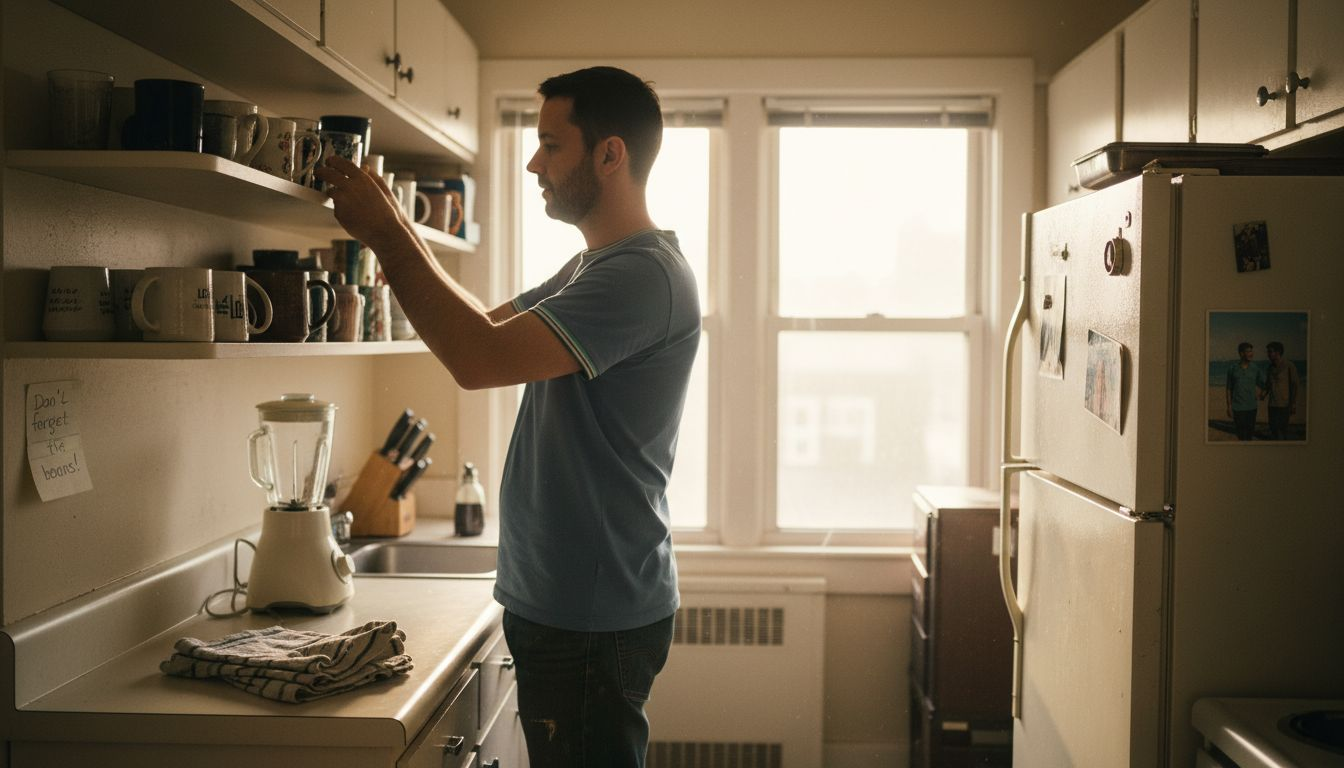
Start by thinking about where everything goes. Before you bring a single item into your home, consider its purpose and placement. Does that vintage dresser belong in your bedroom, or would it work better in the hallway? Will those kitchen gadgets you found actually fit in your cabinet, or will they create clutter? Measure your spaces if you need to. Take photos of empty areas so you can visualize how new items will fit. This prevents the common secondhand shopping trap where you buy something beautiful and then have nowhere to put it, so it ends up taking over a corner of your bedroom. When you prioritize durable, functional items like furniture and appliances that fit your space, you’re already halfway to a well-organized home.
Before anything goes into your space, give it proper attention. Wash, wipe down, or refurbish items as needed. That secondhand couch needs a good vacuum. Those dishes deserve a thorough wash. Vintage books benefit from airing out. Taking time to clean items before integration ensures they’re truly ready for your home and signals to your brain that these purchases are valuable and worth caring for. It’s also practical. You don’t want to bring dust, odors, or unknown germs into your carefully maintained space. This step takes a little effort, but it pays dividends in how you feel about your purchases and your home.
Now create designated areas for different categories. Group similar items together so you know exactly where to find things when you need them. Kitchen gadgets belong together. Decorative pieces go in display areas. Functional items serve their purpose in logical locations. This organization system makes your space feel intentional rather than cluttered. When you open a cabinet, you should see items neatly arranged, not crammed in haphazardly. When you walk into a room, decorative secondhand finds should feel like they belong there, not like they’re taking up space. Good organization lets each item shine and do its job.
Also think about how your secondhand purchases complement what you already have. Do colors coordinate reasonably well? Does the style feel cohesive, or does it feel chaotic? You don’t need everything to match perfectly. Some of the most beautiful homes blend styles intentionally. But there should be a thread connecting things. Whether that’s a color palette, a design era, or simply a feeling of warmth and functionality matters less than conscious choices. Avoid the trap of bringing in items just because they’re cheap or available. Every purchase should enhance your home, not detract from it.
Consider creating zones within rooms. A reading nook with a secondhand chair, a side table, and a lamp creates a dedicated space for relaxation. A kitchen corner with your newly purchased vintage canisters and utensil holder becomes functional and charming. Organizing your purchases into these intentional spaces transforms your home from feeling like a temporary landing spot to feeling like a place you actually want to spend time in. That’s the goal here. You’re not just organizing items. You’re creating an environment that supports calm, peace, and the life you want to live.
Pro tip: After placing new purchases in their designated spots, live with the arrangement for a few days before considering it final, allowing you to see how items function in daily life and making adjustments that actually serve your routines instead of fighting against them.
Make Your Secondhand Finds Feel Like Home
Secondhand shopping comes with exciting challenges like sticking to your goals and organizing meaningful purchases in ways that enhance your space. This guide reminds us how crucial it is to be intentional and smart from the start so we avoid impulse buys and clutter. If you want to turn your new treasures into a calm, organized environment that truly serves your daily life, there is more to do beyond just buying.
At Simple Neat Home, we specialize in helping you reclaim that calm from the chaos through expert organization tips, clever decluttering strategies, and practical cleaning advice that breathe life into your space. Ready to transform your secondhand finds into a beautifully organized home that sparks joy every day? Start now by exploring our full range of ideas and discover how small intentional steps create lasting comfort and style.
Frequently Asked Questions
How can I set effective goals for secondhand shopping?
Setting effective goals involves understanding what you need and why you’re shopping secondhand. Start by making a clear list of items you need, such as clothing, furniture, or kitchen tools, and define your budget to prevent impulse buys.
What should I inspect when evaluating the condition of secondhand items?
When evaluating secondhand items, check for visible wear, functionality, and safety. Look for issues like stains, cracks, and operational problems, ensuring that items will serve you well over time.
How can I verify the authenticity of secondhand goods?
To verify authenticity, closely examine labels and details for consistency and quality. Consider asking sellers for original documentation or proof of purchase, especially for high-value items like designer goods, to avoid counterfeits.
What are the benefits of organizing my secondhand purchases?
Organizing your secondhand purchases enhances your living space by creating a calm and functional environment. Group similar items together, and designate specific locations for each category to maximize storage and accessibility.
How do I combine my secondhand finds with existing decor?
To blend secondhand finds with your existing decor, create a cohesive look by focusing on common colors or styles. Arrange items thoughtfully, allowing new decor to complement what you already have rather than clashing with it.
Recommended
- 11 Tips for Letting Go of Clothes | Decluttering Made Easy
- 10 Things I’ve Stopped Buying Since Going Minimalist
- How to be Ruthless when Decluttering Your Clothes
- Common Laundry Mistakes: Complete Guide to Clothes Care | Simple Neat Home
- Por Qué Elegir Prendas Vintage: Guía Completa – ChillStitchApparel
- Renueva Tu Estilo Sin Vaciar Tu Billetera


Great tips for getting into secondhand shopping. One thing I learned pretty quickly is to be cautious with anything that plugs in. Even if it works in the store, you don’t know how it was treated long term, so I usually stick to non-electrical items.