Minimal Home Decor: Creating Calm Spaces That Last
Over 60 percent of American homeowners say their spaces feel cluttered, yet many struggle to find design solutions that bring true calm. The steady rise of minimal home decor reflects a growing need for peaceful, intentional living in hectic environments. By embracing the core ideas of minimalist style, you can transform any room from overwhelming to refreshing, all while creating a home that feels personal and inviting.
Table of Contents
- Defining Minimal Home Decor and Its Appeal
- Popular Types of Minimalist Design Styles
- Essential Elements for a Minimalist Home
- Step-By-Step Approach to Decluttering Spaces
- Common Minimalism Mistakes and How to Avoid Them
Key Takeaways
| Point | Details |
|---|---|
| Emphasize Simplicity | Minimalism focuses on intentional selection of functional items to promote tranquility. |
| Explore Design Styles | Familiarize yourself with styles like Modern Minimalism, Scandinavian, and Japandi for variations in aesthetics. |
| Prioritize Functionality | Always choose multipurpose furniture and create concealed storage solutions to maintain clarity. |
| Implement a Decluttering Strategy | Start with manageable spaces, utilizing methods like sorting items into keep, donate, and discard categories to achieve order. |
Defining Minimal Home Decor and Its Appeal
Minimal home decor isn’t just a design trend – it’s a thoughtful approach to creating peaceful living spaces that reduce visual noise and promote tranquility. At its core, minimalist design focuses on simplicity and intentionality, stripping away unnecessary elements to reveal what truly matters. Minimalist design emphasizes clean lines, functional spaces, and neutral color palettes that transform your home into a serene sanctuary.
The appeal of minimal home decor goes far beyond aesthetic preferences. By intentionally selecting fewer, more meaningful items, you create environments that feel spacious, calm, and incredibly personal. This design philosophy isn’t about creating sterile or cold spaces – instead, it’s about curating rooms where every single object serves a purpose and brings genuine joy. Each carefully chosen piece becomes a statement, whether it’s a sleek chair, a meaningful artwork, or a beautifully designed functional item.
When implementing minimal home decor, focus on three key principles: quality over quantity, intentional selection, and visual harmony. This means choosing furniture and decor that are well-crafted, multipurpose, and complement each other seamlessly. Think neutral color schemes, clean geometric shapes, and plenty of open space that allows your selected pieces to breathe and make an impact.
Pro Tip – Minimalist Transition: Start by removing 25% of items from each room, focusing on keeping only objects that serve a clear purpose or bring you genuine happiness. This simple strategy will help you create more breathing room and visual clarity in your living spaces.
Popular Types of Minimalist Design Styles
Minimalist design offers several unique styles that transform living spaces into elegant, functional environments. Popular minimalist design approaches include Modern Minimalism, Scandinavian, and Japandi styles that each bring their own distinctive aesthetic and philosophy to home decor. These styles share core principles of simplicity, functionality, and intentional design while offering subtle variations in visual expression.
Modern Minimalism represents the purest form of this design approach, characterized by ultra-clean lines, neutral color palettes, and a strict adherence to the “less is more” philosophy. Every piece of furniture serves a precise purpose, with hidden storage solutions and geometric shapes dominating the visual landscape. In contrast, Scandinavian Minimalism introduces warmth through light-colored wood tones, soft whites, and natural textures that create inviting yet uncluttered spaces.
Japandi, a fascinating hybrid style, beautifully blends Japanese minimalism’s zen-like simplicity with Scandinavian design’s cozy functionality. This approach uses muted earth tones, organic materials, and carefully curated furniture pieces that communicate both elegance and practicality. The result is a serene environment that feels simultaneously modern and timeless, where every object has been chosen with deliberate consideration.
Pro Tip – Style Selection: When exploring minimalist design styles, choose a approach that resonates with your personal aesthetic and lifestyle, ensuring your space feels authentic and comfortable rather than sterile or impersonal.
Here’s a concise comparison of popular minimalist design styles:
| Style | Key Visual Features | Signature Materials | Unique Benefit |
|---|---|---|---|
| Modern Minimalism | Ultra-clean lines, neutral tones | Glass, metal, lacquer | Maximizes space and clarity |
| Scandinavian Minimalism | Soft whites, natural textures | Light woods, wool | Warmth with simple comfort |
| Japandi | Muted earth tones, balance | Organic woods, ceramics | Harmonious, tranquil ambiance |
Essential Elements for a Minimalist Home
Minimalist home design is more than just an aesthetic choice – it’s a deliberate approach to creating spaces that promote peace and functionality. Essential elements of minimalist design focus on simplicity, purposeful functionality, and carefully curated neutral color palettes that transform living spaces into serene environments. The goal isn’t to strip rooms of personality, but to create intentional spaces where every item serves a meaningful purpose.
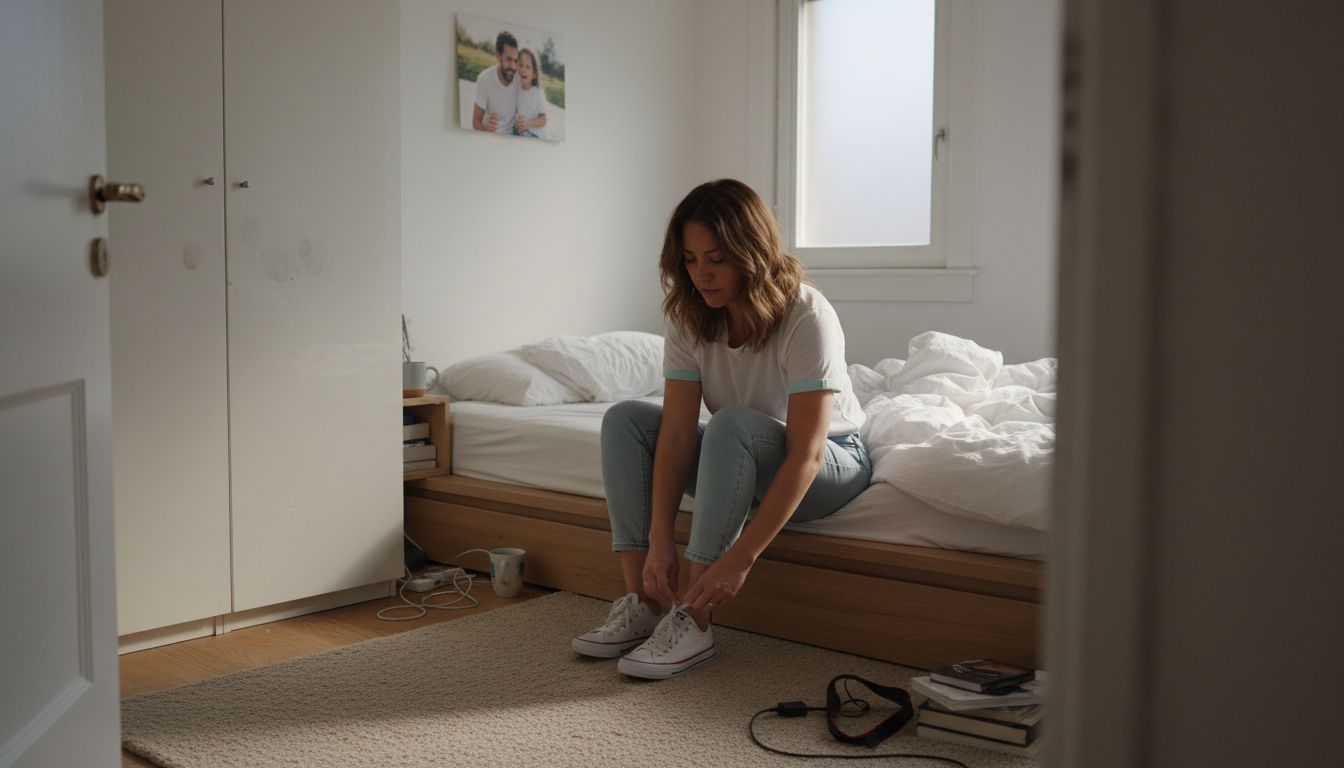
At the core of minimalist design are several key principles. Neutral color schemes form the foundation, typically featuring whites, soft grays, beiges, and muted earth tones that create a calm visual landscape. Furniture selection becomes critical – each piece must be thoughtfully chosen for both its aesthetic and functional qualities. This means selecting multipurpose furniture with clean lines, avoiding ornate decorations, and maintaining plenty of open space that allows each item to “breathe” within the room.
Storage solutions play a crucial role in minimalist homes. The objective is to create hidden organizational systems that keep spaces uncluttered and visually peaceful. This might involve built-in cabinets with seamless designs, furniture with integrated storage, or minimalist shelving units that blend seamlessly into walls. The key is to have designated spaces for items, ensuring that nothing appears random or accidentally placed. Surfaces should remain clear, with only a few carefully selected decorative elements that truly spark joy and contribute to the room’s overall aesthetic.
Pro Tip – Minimalist Transition: Implement a “one in, one out” rule where every new item you bring into your home requires removing another, helping maintain a balanced and intentional living environment.
Below is a summary of essential elements for crafting a functional minimalist home:
| Element | Core Purpose | Typical Example |
|---|---|---|
| Neutral Color Schemes | Creates calm, cohesive look | Whites, beiges, soft grays |
| Multi-use Furniture | Increases function, saves space | Sofa beds, storage ottomans |
| Concealed Storage | Reduces visible clutter | Built-in cabinets |
| Select Decor | Highlights personal significance | Single artwork, statement vase |
Step-By-Step Approach to Decluttering Spaces
Decluttering isn’t just about organizing your home – it’s a transformative process that creates mental clarity and peaceful living environments. A systematic approach to decluttering involves carefully assessing each room to identify unnecessary items and establish clear organizational strategies that restore order and purpose to your living spaces.
Begin by breaking down the decluttering process into manageable stages. First, select a single room or even a specific area like a closet or drawer. Remove everything from the space, creating a blank canvas that allows you to evaluate each item objectively. Sort your belongings into three distinct categories: keep, donate, and discard. Be ruthlessly honest with yourself about what truly adds value to your life. Ask critical questions like “Have I used this in the past year?” or “Does this item bring me genuine joy or serve a practical purpose?”
After sorting, focus on creating smart storage solutions that maintain your newly organized space. Invest in multipurpose storage containers, drawer dividers, and shelving systems that maximize vertical space and keep items neatly contained. The key is developing a system where everything has a designated home, making future maintenance simple and intuitive. Implement a “one in, one out” rule to prevent future clutter accumulation, ensuring that for every new item you bring into your home, another must be removed.
Pro Tip – Decluttering Momentum: Start with the easiest space possible to build confidence and momentum, creating a small win that motivates you to tackle larger, more challenging areas of your home.
Common Minimalism Mistakes and How to Avoid Them
Minimalism isn’t about creating stark, lifeless spaces – it’s about intentional living with purpose and clarity. Common minimalism mistakes often stem from misunderstanding the core principles of thoughtful design and functional simplicity, leading to spaces that feel cold, uninviting, or impractical.
One of the most frequent errors is mistaking minimalism for complete emptiness. Minimalist design should never feel sterile or uncomfortable. Instead, focus on selecting pieces that serve both aesthetic and functional purposes. This means choosing furniture with clean lines that also provide comfort, incorporating textures that add warmth, and ensuring each item contributes to the room’s overall sense of purpose. Avoid the temptation to remove everything – the goal is thoughtful curation, not total elimination.
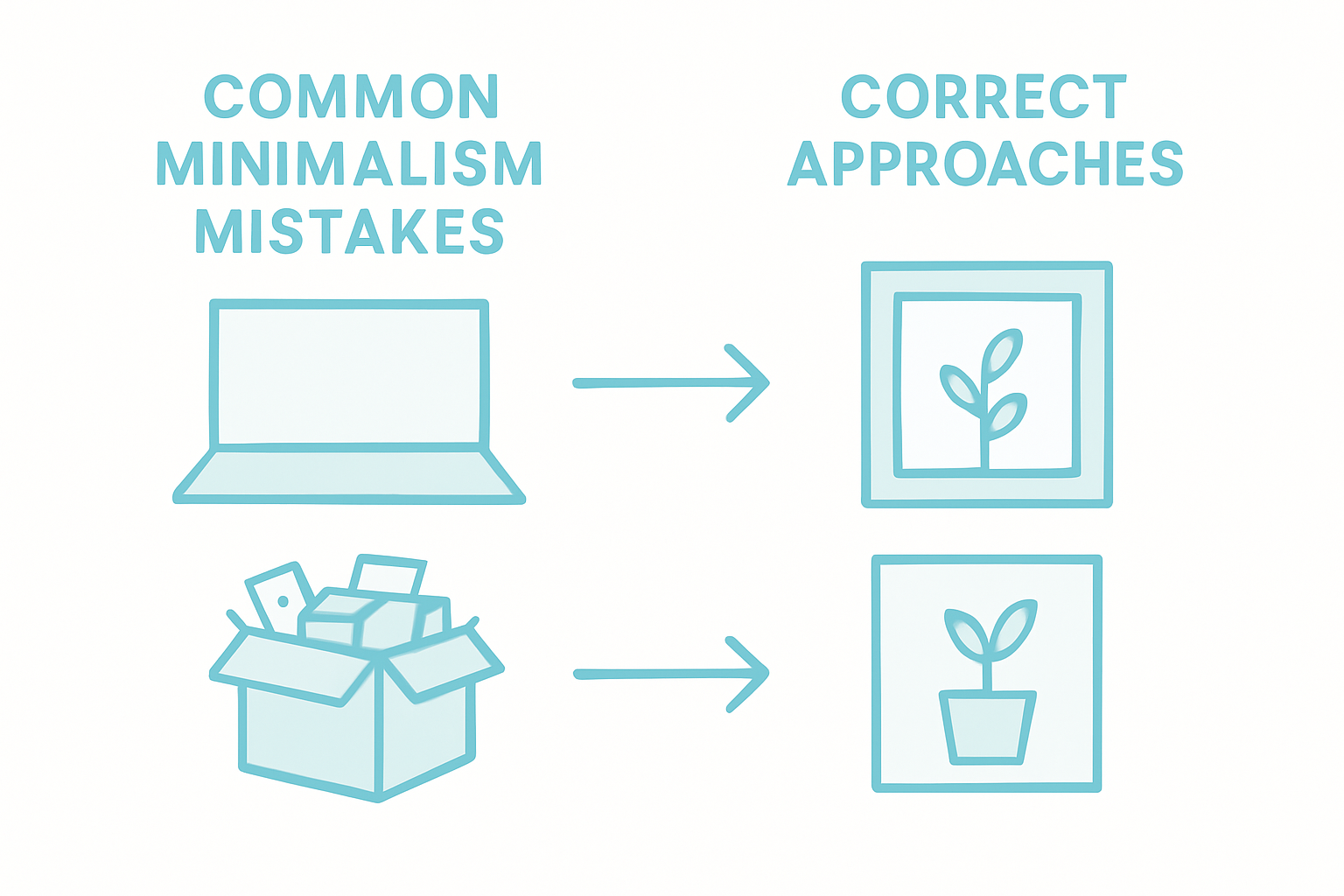
Storage becomes critical in preventing minimalist design from becoming chaotic. Many people create visually clean spaces that hide disorganization behind closed doors. The key is developing smart, integrated storage solutions that maintain the clean aesthetic while keeping your belongings neatly contained. Look for furniture with built-in storage, use vertical space efficiently, and create systems that make organization intuitive. Remember that true minimalism is about intentionality – every item should have a designated place and serve a clear purpose.
Pro Tip – Minimalist Balance: Introduce personal touches through meaningful objects that spark joy, using them as carefully chosen accent pieces that tell your story without creating visual clutter.
Transform Your Living Space Into a Calm Sanctuary Today
Creating minimal home decor is all about reducing clutter and designing spaces that bring peace and clarity. If you find yourself overwhelmed by too many possessions or unsure how to start intentional living, you are not alone. This article highlights key challenges like decluttering effectively, choosing meaningful items, and embracing a neutral, functional style that lasts.
At Simple Neat Home, we understand your goal to reclaim calm from the chaos. Explore our Minimalism Archives | Simple Neat Home for practical tips on thoughtful decluttering and intentional design. Discover smart storage ideas and decorating advice in our Decorating Archives | Simple Neat Home to keep your home beautiful and peaceful.
Frequently Asked Questions
What is minimal home decor?
Minimal home decor is a design approach that focuses on simplicity and intentionality, emphasizing clean lines, functional spaces, and a carefully curated selection of decor items to create calming environments.
How can I start implementing minimal home decor in my home?
Begin by decluttering your space, removing items that do not serve a clear purpose or bring you joy. Focus on choosing high-quality, multipurpose furniture and maintaining a neutral color palette to promote a serene atmosphere.
What are the core principles of minimalist design?
The core principles of minimalist design include quality over quantity, intentional selection of decor items, and visual harmony, ensuring every piece serves a purpose and contributes to a cohesive aesthetic.
Which minimalist design styles are popular?
Popular minimalist design styles include Modern Minimalism, Scandinavian Minimalism, and Japandi. Each style emphasizes simplicity and functionality while offering unique visual characteristics and materials.
Recommended
- Understanding the Meaning of Calm Home for Peaceful Living | Simple Neat Home
- Role of Minimalism at Home – Creating Calm Spaces | Simple Neat Home
- How to Make Your Home More Welcoming | Simple Neat Home
- Understanding the Advantages of Minimalism at Home | Simple Neat Home