The “Buy It for Life” Mindset: How to Choose Quality Over Quantity
Sorting through clutter can leave even the most organized American homes feeling chaotic rather than calm. For millennials and Gen Z aiming to live more sustainably, understanding your true spending habits is the first step toward buying less but better. By evaluating what you actually use, and prioritizing quality purchases that reduce waste, you can create a space that is organized, intentional, and genuinely supports your values.
Table of Contents
- Step 1: Evaluate Your Current Consumption Habits
- Step 2: Identify Essential Items For Long-Term Use
- Step 3: Research Reliable Brands And Materials
- Step 4: Assess Products For True Durability
- Step 5: Commit To Mindful Purchasing Decisions
- Step 6: Review Your Space For Ongoing Improvements
Quick Summary
| Main Insight | Description |
|---|---|
| 1. Track your spending habits | Monitor every purchase for at least two weeks to identify patterns and spending triggers. |
| 2. Identify truly essential items | Focus on items that you use daily and offer longevity rather than cheap, disposable alternatives. |
| 3. Research brands and materials | Investigate product reviews and material quality to ensure durability and reliability before purchasing. |
| 4. Evaluate product durability before buying | Assess the quality of construction, materials, and repair options to determine if the product is worth the investment. |
| 5. Commit to mindful purchasing | Implement a waiting period before making purchases to prevent impulse buying and ensure alignment with personal values. |
Step 1: Evaluate your current consumption habits
Before you can commit to the “buy it for life” mindset, you need to understand where your money’s actually going right now. This isn’t about judgment. It’s about getting real with yourself so you can make smarter choices moving forward. Take a hard look at what you’re buying, how often you’re buying it, and why those purchases are happening in the first place.
Start by tracking your spending for at least two weeks, though a full month gives you a clearer picture. Write down every single purchase, no matter how small. That coffee, the impulse item at the checkout, the subscription you forgot about. When you see it all written out, patterns start jumping at you. You’ll notice if you’re buying multiple cheap versions of the same thing because they keep breaking. Maybe you’re grabbing fast fashion pieces that fall apart after three wears. Perhaps you’ve got duplicates sitting in your closet because you forgot what you already owned. Understanding how American households allocate spending across different categories can help you benchmark your habits against broader trends. This context matters because it helps you see whether your spending is typical or if there are specific areas where you’re throwing money away.
Next, ask yourself the hard questions about your buying triggers. Are you shopping when you’re stressed? Bored? Scrolling social media at night? Are you buying things to fill a void or because you genuinely need them? According to resources on financial decision-making skills, developing critical thinking around your choices is fundamental to changing spending behavior. Look at your recent purchases and honestly categorize them. What was essential? What was an impulse? What do you regret? This self-awareness is your foundation. You can’t build the “buy it for life” approach on top of old habits you don’t understand.
Pro tip: Use your phone’s notes app or a simple spreadsheet to track purchases for one month, categorizing them by room, type, or whether they were planned versus impulse buys. This single habit often reveals spending patterns you didn’t know existed.
Step 2: Identify essential items for long-term use
Now that you understand your spending patterns, it’s time to figure out what actually deserves a spot in your home and your budget. Not everything you buy should last forever. Some items are consumables. Some are seasonal. But the things you use every single day, the items that anchor your life at home, those are the ones worth investing in. This step is about separating the truly essential from the noise.
Think about your daily routine. What items do you reach for without thinking? Your coffee maker. Your kitchen knives. Your bed. Your winter coat. These aren’t luxury items. They’re the foundation of your everyday comfort and function. When identifying what matters most, consider durability, frequency of use, and whether replacing it cheaply would cost you more money and frustration over time. Understanding critical materials used in durable goods helps you recognize that certain items are built with specific materials designed to last. When you know what quality looks like under the hood, you can spot it when you’re shopping. Look at what breaks first in your home. That cheap cutting board that warps after six months? That’s a sign you need a better one. That phone charger that frays constantly? Time for an upgrade that’ll actually last. These pain points are your roadmap to where your money should go.
Be honest about what you actually use versus what you think you should use. That expensive blender you haven’t touched in a year isn’t essential, even if it seemed important when you bought it. But that one pot you use for everything, that deserves to be a good one. Your essential items are the ones that earn their place through regular use and real value in your life. When you’re uncertain about whether something is truly essential, ask yourself this: would my daily life be noticeably harder without it? If the answer is no, it’s probably not worth the investment right now. This clarity prevents buyer’s remorse and keeps your home from filling with things that don’t matter.
Pro tip: List your ten most used items from the past month, then research which versions would genuinely last ten years. This targeted approach focuses your investment where it counts most instead of trying to buy forever versions of everything at once.
Step 3: Research reliable brands and materials
You’ve identified what matters most. Now comes the detective work. Before you spend money on something built to last, you need to know which brands actually deliver and what materials actually stand the test of time. This isn’t about brand snobbery. It’s about finding companies that have proven they care about durability and stand behind their products.
Start by looking at what people actually say about products they’ve owned for years. Check reviews on sites like Amazon, but skip the ones from people who bought it last week. Head to Reddit communities focused on your interests. Search for phrases like “best cast iron pan I’ve ever owned” or “this jacket lasted me fifteen years.” You’ll find real humans who’ve lived with products long enough to know if they hold up. Pay attention to what breaks first and what lasts. When multiple people mention the same brand lasting a decade or more, that’s your signal. Look at warranty information too. Brands confident in their products offer real warranties, not just legal protection. Understanding how design consultancies approach product durability reveals that reliability often comes from deliberate material choices and thoughtful construction. When a brand invests in better materials upfront, they’re betting on your loyalty.
Materials matter more than you might think. Natural fibers like wool, leather, and solid wood age beautifully and improve with use. Metals like cast iron and stainless steel have been trusted for generations for good reason. Modern innovations matter too. Learning about next-generation sustainable materials shows that some newer options genuinely outperform older standards while reducing environmental impact. When you’re comparing products, read the material composition carefully. If it just says “plastic” with no specification, that’s a red flag. If it lists the exact type of steel or wood species, someone cared about the details. Don’t assume expensive automatically means better, but don’t chase the cheapest option either. The sweet spot is usually mid-range from a reputable brand with solid reviews and transparent material information.
Here’s a summary of common product material types and their durability characteristics:
| Material Type | Durability | Maintenance Level |
|---|---|---|
| Solid Wood | Very high | Occasional conditioning |
| Stainless Steel | Extremely durable | Minimal, resists corrosion |
| Cast Iron | Lasts generations | Requires seasoning |
| Plastic (generic) | Often short-lived | Minimal, may degrade |
| Wool | Long-lasting fiber | Occasional care needed |
| Leather | Durable if maintained | Regular cleaning/conditioning |
Pro tip: Before buying, search the brand name plus the word “recall” and the product category to see if there’s a history of problems. Also check if the company offers repairs or replacement parts. A brand that sells spare handles for their pans or lets you resole your boots is showing they think long-term.
Step 4: Assess products for true durability
Now you’re standing in front of a product, and you need to know if it’ll actually last. This is where you move beyond marketing claims and reviews to actually examine the thing in your hands. True durability isn’t just about how long something lasts. It’s about whether it’ll still function well, look decent, and be worth keeping around five, ten, or twenty years from now. You need to become a detective about construction quality.

Start by feeling the weight and balance of the item. Quality products typically feel substantial without being unnecessarily heavy. Pick it up. Open and close drawers or zippers. Flex it gently. Does everything move smoothly or does it feel loose and rattly? Look at the seams, joints, and connection points. These are where products fail first. Are they reinforced? Are stitches tight or loose? Is metal welded or just glued? Check the finish too. Is it slapped on haphazardly or applied evenly? Look underneath and inside. That’s where manufacturers reveal their true priorities. If the underside is rough and poorly finished while the top looks great, that’s a sign they cut corners where you wouldn’t see it. Understanding how manufacturers assess reliability means recognizing that durability involves consistent quality throughout the product, not just in the visible parts. Manufacturers use specific metrics to evaluate how products perform over time, and you can apply similar thinking by examining whether the construction is consistently well done across the entire item.
Ask about testing and certifications. Legitimate brands often test their products and are happy to share those results. Does the item have any relevant safety or quality certifications? Check the product manual or specifications sheet. Does it mention lifespan expectations or maintenance recommendations? A product designed to last comes with guidance on how to care for it. Look at replacement parts availability too. Can you buy new feet, handles, or filters when the time comes? If the manufacturer makes parts readily available, they’re planning for your long relationship with the product. Consider the repairability angle as well. Can you take it apart if something breaks, or is it sealed up in a way that makes repair impossible? These details separate products designed for a disposable world from those truly built for the long haul.
Pro tip: Before buying, search the product model number plus words like “teardown” or “how it’s made” on YouTube. Watching someone disassemble the item shows you exactly how it’s built and whether internal components match the quality of the exterior.
Step 5: Commit to mindful purchasing decisions
This is where everything shifts. You’ve done the research, you’ve evaluated the options, and now comes the hardest part: actually changing how you buy. Mindful purchasing isn’t about deprivation or never treating yourself. It’s about making conscious choices aligned with what truly matters to you instead of letting impulse and habit drive your wallet. This step is about creating a system that keeps you accountable and prevents backsliding into old patterns.
Start by building a waiting period into your process. When you find something you want, don’t buy it immediately. Wait at least 48 hours, or a week if possible. This simple pause breaks the emotional momentum that drives impulse purchases. In that time, ask yourself the real questions. Do I actually need this? Will I use it regularly? Does it fit my budget and my values? Have I researched alternatives? Does this align with the quality standard I’ve set for myself? You’ll be shocked how many things lose their appeal once the initial excitement wears off. Developing strong financial decision-making skills means recognizing your personal triggers and weaknesses, then building systems that protect you from them. If you shop when stressed, delete the shopping apps from your phone. If you impulse buy at checkout, use online shopping instead. If you get swayed by sales, unsubscribe from marketing emails. Make the good choice the easy choice.
Beyond your own behavior, consider the broader impact of your purchases. Understanding responsible purchasing practices helps you recognize that mindful buying extends beyond personal benefit to include social and environmental responsibility. Where is this made? Who made it, and under what conditions? What happens to it when you’re done with it? These questions matter because your money is a vote for the kind of world you want to live in. Buy from brands that share your values around sustainability, fair labor, and ethical sourcing. Support companies that take responsibility for their impact. This might mean spending more upfront, but it means you’re buying something you can feel genuinely good about keeping for decades. Your calm home starts with knowing your stuff wasn’t built on someone else’s suffering or our planet’s destruction.
Pro tip: Create a “buy it for life” checklist on your phone that you review before every purchase over a certain dollar amount. Include questions like “Will I use this at least weekly?”, “Can it be repaired?”, and “Does this replace something I’ll throw away?” This tangible reference keeps you grounded in your values when you’re tempted to revert to old shopping habits.
Step 6: Review your space for ongoing improvements
You’ve made thoughtful purchases. You’ve filled your home with quality items built to last. But here’s the thing that most people miss: the “buy it for life” mindset doesn’t end at the checkout. Your space needs regular review and refinement. This is where you step back and honestly assess what’s working, what isn’t, and what needs to change. Think of it like tuning an instrument. Even the best guitar needs regular adjustments to stay in harmony.
Set aside time quarterly, maybe four times a year, to walk through your home with fresh eyes. Look at each room and ask yourself real questions. Is everything serving a purpose? Are there items you don’t use but kept out of guilt? Has anything broken that you’ve been meaning to fix? Are there areas that feel chaotic or frustrating? What would make your daily life easier? This isn’t about acquiring more stuff. It’s about optimizing what you already have. Applying continuous improvement principles to your home means making small, incremental changes that compound over time. You don’t need a massive renovation to feel better in your space. Small tweaks often create the biggest shifts in how calm and functional your home feels. Replace that broken drawer pull. Fix the wobbly shelf. Reorganize the cabinet that never quite works. These micro improvements add up to a home that genuinely serves you better.
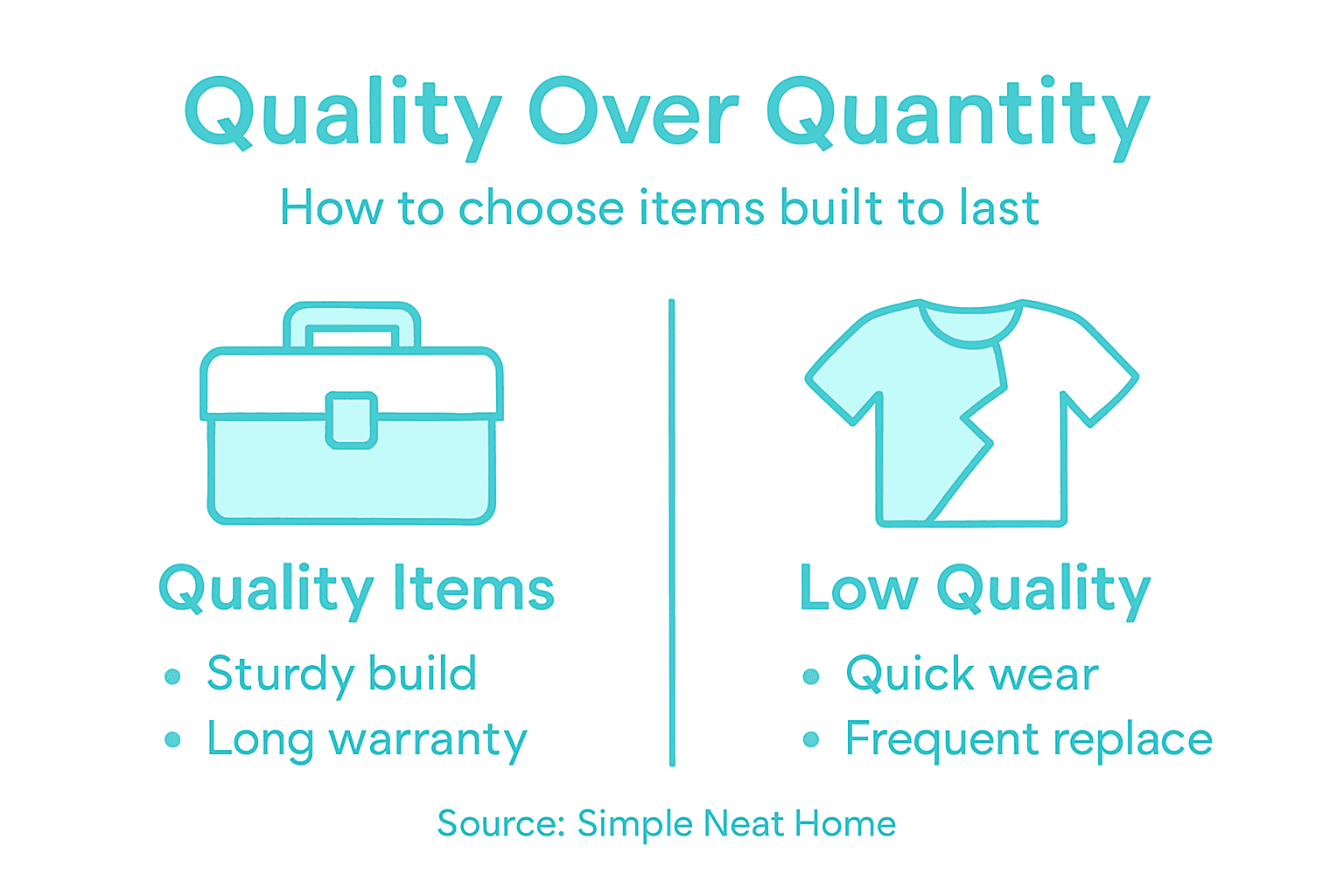
When you do identify upgrades or replacements, apply the same evaluation standards you used initially. Don’t just grab the nearest option at the store. Go through your process again. Research. Evaluate. Wait. Buy with intention. This prevents the backsliding where you suddenly realize you’ve fallen back into quantity mode instead of quality. Track your improvements too. Keep a simple note on your phone of what you’ve replaced, upgraded, or fixed and why. This creates a record of your home’s evolution and helps you spot patterns. Maybe you keep replacing certain types of items, which signals they weren’t as durable as advertised. Maybe you discover you need better organization solutions in specific areas. This data guides your future decisions and keeps your space continuously improving without requiring overhaul or stress. The goal is a home that feels increasingly refined, functional, and peaceful the longer you live in it.
Consider how home remodeling and improvement trends show that homeowners invest in strategic updates that enhance both functionality and long-term value. Your ongoing review taps into this same wisdom by making intentional choices aligned with your space’s actual needs. When you approach home improvement thoughtfully rather than reactively, you’re honoring both your investment and your peace of mind. You’re also practicing the core philosophy of the “buy it for life” mindset at every level of your home.
Use this comparison of proactive vs. reactive home improvement to guide your ongoing efforts:
| Approach | Description | Impact on Home |
|---|---|---|
| Proactive Review | Scheduled space audits | Continual improvement |
| Reactive Upgrading | Fixing only when needed | Increased frustration |
| Intentional Updates | Guided by clear standards | Enhanced functionality |
| Unplanned Purchases | Impulse buying replacements | Likely clutter/overlap |
Pro tip: Schedule a thirty-minute “space audit” on your calendar quarterly using a simple template. Note any broken items, unused purchases, frustration points, and quick wins you could make. This structured approach keeps improvements top-of-mind instead of letting things slide until they become overwhelming problems.
Embrace the Buy It for Life Mindset with Simple Neat Home
The challenge of shifting from impulse buying to mindful, long-lasting purchases can feel overwhelming. If you want to stop the endless cycle of replacing low-quality items and create a home filled with essentials that truly last you need a trusted guide to help you organize your space and maintain those valuable investments. This article highlights the importance of assessing your habits, choosing durable products, and committing to mindful purchasing — all key to reclaiming calm from chaos.
At Simple Neat Home, we understand how clutter and disorganization can undermine your efforts to adopt a quality-over-quantity mindset. That is why we provide practical tips for decluttering your home, organized living, and maintaining a peaceful environment that supports your goals. Start by streamlining your space and creating order so your quality purchases can truly shine. Learn how a tidy well-organized home paves the way for lasting change and peace of mind.
Frequently Asked Questions
How can I evaluate my current consumption habits?
To evaluate your current consumption habits, track all your purchases for at least two weeks. Write down everything you buy, regardless of size or importance, to identify spending patterns and triggers for impulse purchases.
What types of items should I consider essential for long-term use?
Essential items for long-term use are those you use daily and rely on for comfort and functionality, such as a good coffee maker or kitchen knives. List your most frequently used items and assess their durability to determine which deserve an investment.
How do I research reliable brands and materials?
Research reliable brands by reading long-term product reviews and looking for materials that are known for durability, such as solid wood or stainless steel. Focus on brands that offer warranties and make parts available for repairs to ensure long-lasting products.
What should I assess when evaluating a product’s true durability?
When assessing a product’s durability, examine its weight, balance, and construction quality, including seams and finishes. Check for user feedback on longevity and any available maintenance recommendations to ensure it meets your long-lasting needs.
How can I commit to mindful purchasing decisions?
Commit to mindful purchasing by incorporating a waiting period before buying new items, giving yourself time to evaluate the necessity and alignment with your quality standards. Try a 48-hour waiting period to help break the impulse buying cycle.
How often should I review my space for ongoing improvements?
Schedule a review of your space at least quarterly to assess what items are working for you and what might need replacement or repair. These regular audits keep your home functional and ensure your purchases align with your needs.
Recommended
- 10 Things I’ve Stopped Buying Since Going Minimalist
- Capsule Pantry: 20 Ingredients for Month-Long Meals | Simple Neat Home
- How to be Ruthless when Decluttering Your Clothes
- Understanding the Benefits of Minimalist Living | Simple Neat Home
- What Makes a Good Gift – Meaningful Choices That Last – FunLifeNow